Can Hypnosis Ease Chesapeake Bay Bridge Fear?

TLDR: Hypnosis helps Chesapeake residents overcome bridge anxiety—including fear of the Chesapeake Bay Bridge-Tunnel—by calming the nervous system, retraining automatic fear responses, and building confidence through virtual sessions done safely from home.
Why So Many Chesapeake Residents Struggle With Bridge Anxiety
Bridge anxiety—also called gephyrophobia—is far more common in Chesapeake and Hampton Roads than most people realize. With the Chesapeake Bay Bridge-Tunnel stretching more than 17 miles across open water, even confident drivers can feel uneasy.
Some feel:
- Tightness in the chest
- Sweaty palms
- Racing heart
- Dizziness
- A sense of being “trapped”
- Fear of losing control
- Worry about wind or height
- Fear of the tunnel sections
- Fear of the long, exposed stretches over water
Others describe it differently:
“It’s not the height… it’s the openness.”
“It’s the long stretch with nowhere to stop.”
“It’s the feeling that something bad might happen.”
“It’s the tunnel transitions. They freak me out.”
This fear can become so intense that people:
- Avoid family trips
- Avoid certain jobs
- Take long detours
- Refuse to drive
- Need someone else to take the wheel
- Panic before even getting near the bridge
But here’s the surprising truth:
Bridge anxiety is NOT a sign of weakness—it’s a natural survival response.
Your brain is trying its best to protect you.
It’s just reacting too strongly.
The great news?
With hypnosis—and especially virtual hypnosis—you can retrain that response, calm the nervous system, and regain confidence behind the wheel.
Why Hypnosis Works So Well for Bridge Anxiety
Driving fears aren’t logical.
If they were, you could talk yourself out of them.
Bridge anxiety comes from the unconscious mind, the part responsible for:
- Protection
- Survival instincts
- Fight-or-flight
- Automatic reactions
- Emotional memory
That’s why hypnosis is one of the most effective methods for overcoming this fear.
Hypnosis works directly with the unconscious mind to:
- Reduce the automatic fear response
- Interrupt panic patterns
- Create new emotional associations with the bridge
- Build confidence and safety internally
- Calm the physical symptoms of anxiety
- Make driving feel manageable again
For nearly 40 years, we’ve helped clients overcome phobias—including fear of bridges, tunnels, tall bridges, and driving in general—using exactly these methods.
And virtual sessions make the process even easier.

Why Virtual Hypnosis Is Perfect for Bridge Anxiety
Driving or bridge anxiety often comes with:
- Anticipatory fear
- Worry about judgment
- Fear of losing control
- Stress about getting to the appointment
Virtual hypnosis eliminates all of that.
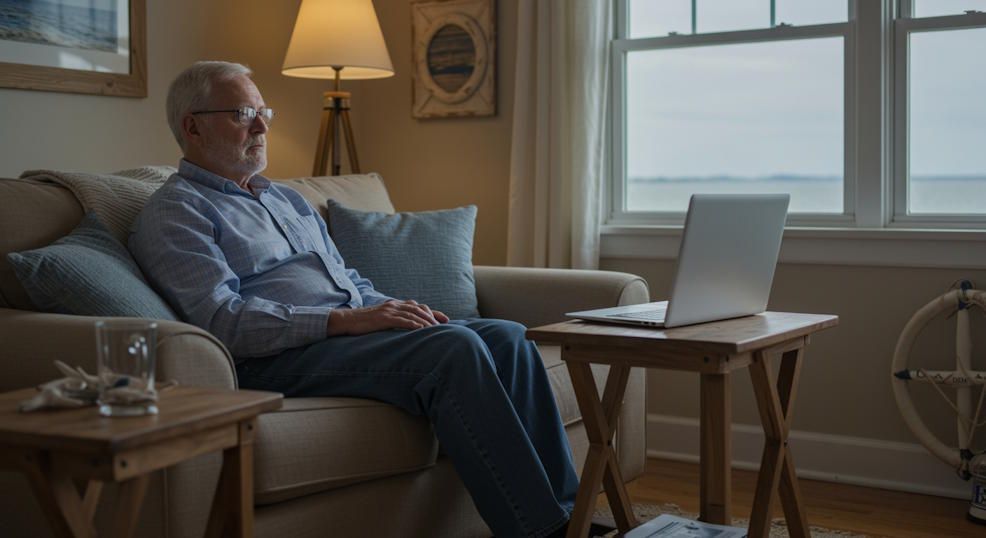
You begin the session exactly where you feel safest: home.
This matters because:
- Your nervous system calms faster
- You avoid triggering fears before the session
- Your environment feels familiar
- Your body relaxes naturally
- You can practice emotional techniques in your actual home surroundings
You don’t have to:
- Drive anywhere
- Face a waiting room
- Feel self-conscious
- Sit across from someone
- “Perform” calmness
This alone makes the work more effective.
How Bridge Anxiety Forms (And Why It’s Not Your Fault)
Bridge anxiety can develop from:
- A past scary experience
- A buildup of stress
- A sudden panic attack while driving
- Stories from others
- Fear of heights
- Fear of water
- Fear of being trapped
- Claustrophobia (tunnel sections)
- Generalized anxiety
- A sense of being “too far out” to get help
Once the mind connects the bridge with danger—real or imagined—it’s like an alarm that keeps going off, even when nothing is wrong.
Your logical mind says: “I know the bridge is safe.”
Your emotional mind says: “But what if something happens?”
Hypnosis helps unify those two voices so they finally agree.
How Hypnosis Retrains the Fear Response
Step 1: Calm the nervous system
Hypnosis activates the parasympathetic system (the body’s natural “calm mode”).
Breathing deepens.
Muscles loosen.
Heart rate slows.
Racing thoughts quiet.
Step 2: Rewire the unconscious fear loop
This is where the transformation happens.
We change:
- The emotional association
- The automatic reaction
- The fear “shortcut” pattern
- The mental imagery
- The internal narrative
The bridge stops triggering danger.
It becomes neutral—and eventually manageable.
Step 3: Build new patterns of confidence
Through guided imagery, mental rehearsal, and emotional reframing.
Clients often say:
- “I didn’t know I could feel calm while thinking about the bridge.”
- “I feel different. Like something shifted.”
- “I actually want to try it now.”
Step 4: Practice calm driving in real-time
You can practice the techniques in your car—parked—before ever returning to the bridge.
Step 5: Gradual exposure (optional)
No pressure.
No force.
No pushing.
Just gentle, steady confidence building.

Success Stories From Chesapeake Residents (Names Changed)
Case Study 1: “Mary in Great Bridge”
For years, Mary refused to cross the Chesapeake Bay Bridge-Tunnel.
Her husband always had to drive.
She avoided trips to the Eastern Shore.
After 3 virtual hypnosis sessions:
- She crossed the bridge herself
- She described it as “shockingly manageable”
- She said the tunnel sections no longer triggered panic
Her exact words:
“I didn’t think hypnosis could work this fast.”
Case Study 2: “Daniel from Grassfield”
He experienced a panic attack while crossing the bridge one windy day years ago.
Ever since, even approaching the toll booth triggered fear.
After hypnosis:
- He reported being able to reach the bridge without panic
- He crossed as a passenger first
- Then crossed on his own
- His confidence returned completely
He told me:
“I feel like I got my freedom back.”
Case Study 3: “A Military Spouse in Deep Creek”
With frequent travel between bases, she dreaded the bridge every time.
Virtual hypnosis helped her:
- Stop fearing worst-case scenarios
- Feel calm behind the wheel
- Break the panic response
- Regain a sense of control
What Actually Happens in a Virtual Hypnosis Session for Bridge Anxiety
Here’s the step-by-step breakdown:
1. Conversation about your fear
What triggers it?
What part of the bridge?
When did it start?
What happens in your body?
2. Custom hypnosis plan
Based on your personal patterns.
3. Guided hypnotic relaxation
Your body starts releasing layers of tension.
4. Fear rewiring work
We target:
- Panic
- Claustrophobia
- Height fear
- Water fear
- “What if” thinking
- Tunnel anxiety
- Fear of losing control
5. Positive driving visualization
You practice crossing the bridge calmly in your mind—fully in control.
6. Confidence building
Your unconscious learns that you are safe behind the wheel.
7. After-care techniques
Breathing methods
Calm anchors
Mental resets
In-car rehearsals (parked)
Why This Bridge Specifically Triggers Anxiety
The Chesapeake Bay Bridge-Tunnel is unique:
- It’s long
- It’s exposed
- There’s water on both sides
- The wind can be strong
- The transition from bridge to tunnel can feel abrupt
- There’s no easy “escape route”
- The openness can feel overwhelming
Hypnosis helps you retrain how your brain interprets these sensations.
You stop reading them as danger.
How Long Does It Take to See Results?
Most clients experience improvement within 1–3 sessions.
Some achieve full relief in that time.
Others need a few more depending on:
- Severity of anxiety
- How long they’ve had the fear
- Other underlying issues (panic, PTSD, driving fear)
Hypnosis is gentle, powerful, and efficient.
Your Fear Is Real—But It’s Also Reversible
You’re not “crazy.”
You’re not “weak.”
You’re not “overreacting.”
Your brain learned to fear the bridge.
You can teach it something new.
Hypnosis gives you the tools to:
- Calm your mind
- Regulate your body
- Build confidence
- Rewire fear
- Take back your freedom
All from the comfort of home.
Ready to Overcome Your Chesapeake Bay Bridge Fear?
If you’re tired of:
- Feeling trapped
- Avoiding trips
- Depending on others
- Panic behind the wheel
- Missing out on travel
Virtual hypnosis will help you break free.
When you're ready, we’ll guide you there—safely, gently, and confidently.
Ready to schedule an appointment with us here @ Clarity of Hypnosis, click here to give us a call today! Would you rather request a call-back, take 30 seconds and fill out this brief form here and we'll call you back!
This is paragraph text. Click it or hit the Manage Text button to change the font, color, size, format, and more. To set up site-wide paragraph and title styles, go to Site Theme.
Learn more about how hypnosis can enhance your life