Can Hypnosis Stop Nail Biting in Chesapeake?

TLDR: Hypnosis helps Chesapeake residents and teens break repetitive habits like nail biting and skin picking by addressing the subconscious triggers behind them. With virtual sessions, clients learn to retrain the mind and find calm from home.
Why These Habits Are So Common—and So Hard to Break
If you live in Chesapeake, you’ve probably seen someone (maybe even yourself) absentmindedly biting a nail during traffic on I-64, picking at a hangnail while scrolling through a phone, or rubbing at skin during stressful moments.
Most of the time, it’s not even conscious.
These behaviors—known as Body-Focused Repetitive Behaviors (BFRBs)—include:
- Nail biting (onychophagia)
- Skin picking (dermatillomania)
- Hair pulling (trichotillomania)
- Lip biting or chewing
- Cheek biting
They’re more than just “bad habits.”
They’re
coping mechanisms—automatic responses to stress, boredom, or anxiety.
And here’s the kicker:
The more you try to “just stop,” the more your body rebels.
Because the habit doesn’t live in willpower—it lives in the subconscious mind.
That’s why hypnosis, especially virtual hypnosis, has become one of the most effective and compassionate ways to address these habits in Chesapeake and beyond.
What’s Really Happening When You Bite or Pick
Every time you
bite a nail or pick your skin, your body releases a small wave of relief chemicals—dopamine, endorphins, and serotonin.
It feels soothing for a split second.
Then guilt sets in, frustration rises, and the habit repeats itself.
This is known as a habit loop, made up of three parts:
- Trigger — stress, boredom, tension, anxiety
- Action — nail biting or picking
- Reward — momentary relief
Your mind learns: “When I feel anxious, I do this.”
Over time, it becomes automatic.
Traditional methods—like bitter nail polish, gloves, or “just stop” advice—don’t work because they address only the behavior, not the cause.
Hypnosis does.
How Hypnosis Interrupts the Habit Loop
Through nearly 40 years of professional experience, we’ve guided hundreds of clients in Chesapeake to successfully stop these unconscious behaviors using clinical hypnosis.
Here’s how it works:
1. Hypnosis helps identify emotional triggers
Most clients aren’t fully aware of what sets them off.
During hypnosis, we access the deeper mind to identify the real triggers—boredom, pressure, perfectionism, or unresolved stress.
2. It rewires the habit pattern
Hypnosis works directly with the subconscious mind, where habits live.
We create new associations: relaxation replaces tension, calm replaces compulsion.
3. It gives the hands something else to do
Through post-hypnotic suggestions, your mind learns healthier automatic responses—like deep breathing, rubbing fingers together gently, or grounding exercises.
4. It calms the nervous system
Since these habits are often anxiety-driven, hypnosis helps deactivate the body’s fight-or-flight mode.
Clients describe feeling more “at ease in their own skin.”
5. It strengthens self-control
Hypnosis doesn’t rely on willpower—it builds it.
By aligning the conscious and subconscious mind, you become naturally more in charge of your behavior.

Why Is Virtual Hypnosis So Effective for Habit Change?
Breaking habits is most successful when you’re relaxed, safe, and focused.
For Chesapeake residents, virtual hypnosis provides exactly that:
• Comfort of your home
No travel, no stress—your brain feels instantly secure.
• Privacy
No need to sit in an office and explain behaviors face-to-face; you can relax in total confidentiality.
• Familiar surroundings
Since habits often happen at home, virtual sessions retrain your mind in the same environment where the habits occur.
• Flexible scheduling
You can book sessions after work, before bed, or on weekends without disrupting your life.
• Gentle process
You remain fully awake, fully aware, and completely in control the entire time.
For teens especially, virtual hypnosis feels modern, accessible, and comfortable—it doesn’t feel like “therapy.”
How Does Science Back Hypnosis for Habit Control?
According to studies cited on PsychologyToday.com, hypnosis has shown success in helping individuals reduce unconscious repetitive behaviors, anxiety, and emotional stress.
By changing how the brain processes triggers, hypnosis helps the mind break loops that once felt impossible to stop.
In one study, participants who used hypnosis for habitual behaviors showed
a 70–90% reduction in frequency over 6–8 weeks.
And in clinical follow-ups, the new behaviors held over time.
The reason:
Hypnosis changes how you feel before you act.
Once your stress response softens, the urge never fully forms.
Case Studies From Chesapeake (Names Changed)
Case 1: “Rachel from Grassfield”
A 32-year-old teacher who’d bitten her nails since childhood.
She felt embarrassed during parent meetings and social events.
After 3 virtual hypnosis sessions:
- She reported feeling no urge to bite
- Nails began growing naturally
- Her anxiety during grading sessions dropped
- She said: “It’s like my hands forgot the habit.”
Case 2: “Josh from Great Bridge”
A high school student who picked at his skin during tests or video gaming sessions.
After hypnosis:
- He stopped feeling the “itch” to pick
- He described his hands as “finally relaxed”
- His mother noticed the change within a week
Case 3: “Lynn from Deep Creek”
A 47-year-old professional who bit her nails during phone calls and traffic.
After 4 virtual sessions:
- She reported increased calmness behind the wheel
- Her hands healed
- Her sleep improved
She said:
“I finally feel in control again.”

The Emotional Side of Habit Change
These habits are rarely about nails or skin—they’re about emotional energy trying to escape the body.
Stress, guilt, perfectionism, or overwhelm can all manifest as physical self-soothing.
Hypnosis helps you:
- Identify the emotion
- Acknowledge it safely
- Replace the compulsion with calm
It’s emotional regulation in real time.
What Happens in a Virtual Hypnosis Session?
- Brief conversation — We discuss triggers and goals.
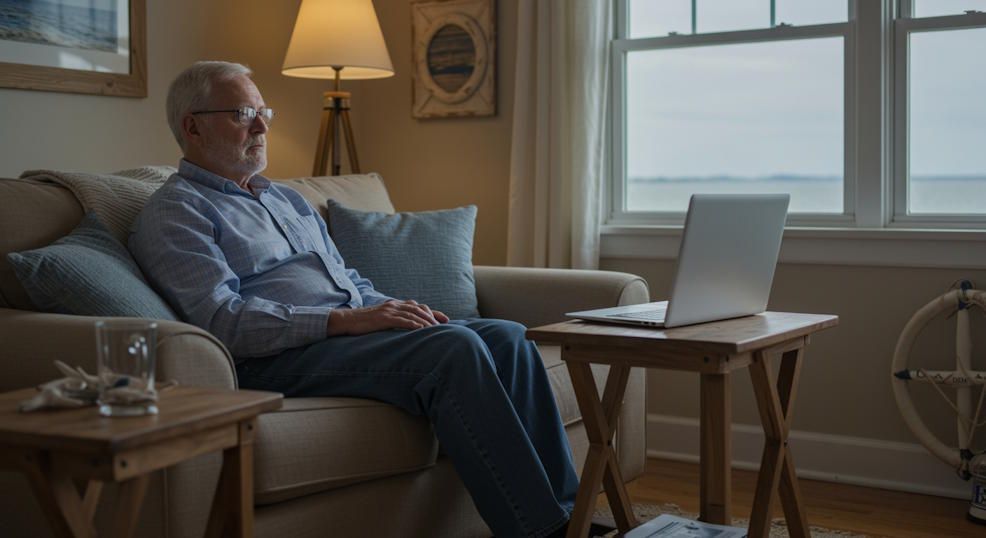
- Comfort setup — You sit in your favorite chair, adjust lighting, and relax.
- Guided relaxation — You drift into focused calmness.
- Repatterning — We use specific language to replace habits with calm behavior.
- Awakening — You return alert, refreshed, and lighter.
- At-home practice — You use brief follow-up exercises to reinforce progress.
Each session lasts about an hour, but many clients notice a difference after the first meeting.
What Should Chesapeake Parents Know?
For children or teens, hypnosis can be an empowering experience.
It helps them understand they have control over their body and thoughts.
Parents often report:
- Increased confidence
- Reduced anxiety
- Healthier coping tools
- Visible healing of hands or skin
And because all sessions are virtual, your child can meet from home—after homework, before bed, or from their room where they feel safest.
Why Does Hypnosis Beat “Willpower” Every Time?
Willpower works on the conscious level. Habits live below that.
You can’t fight the subconscious mind—you have to retrain it.
Hypnosis is that retraining process.
It replaces stress with calm.
It replaces shame with pride.
It replaces old wiring with new freedom.
And best of all, it works quickly and gently.
You Deserve Calm, Confidence, and Comfort in Your Own Skin
Whether it’s nail biting, skin picking, or another repetitive habit, the message your body is sending is simple:
“I need relief.” Hypnosis gives you a healthier, lasting way to create that relief—without shame or struggle.
You’ll rediscover peace, focus, and hands you’re proud to show.
Ready to Regain Control? Virtual Hypnosis Is Available Now
Breaking these habits doesn’t take years—it takes the right approach.
With nearly 40 years of experience, we’ve helped people across Chesapeake release repetitive habits and replace them with confidence, calm, and balance.
Ready to schedule an appointment, click here to give us a call today!
Would you rather request a call-back, take 30 seconds and fill out this brief form here and we'll call you back!
This is paragraph text. Click it or hit the Manage Text button to change the font, color, size, format, and more. To set up site-wide paragraph and title styles, go to Site Theme.
Learn more about how hypnosis can enhance your life